
Sammamish homeowners often notice garage door problems through sound first. A door starts grinding during the morning routine, the opener strains after a rainy week, or the door reverses near the floor even though nothing is blocking it. A proper Garage door repair Sammamish approach should look at the full system, not only the part making noise. Springs, cables, rollers, tracks, hinges, weather seals, safety sensors, and openers all affect one another.
This matters in Sammamish because many homes use the garage as a main entry point. Families move through the garage for school, work, bikes, sports gear, deliveries, storage, and daily parking. Local weather also adds stress. Damp months can affect bottom seals, metal hardware, sensor brackets, and opener performance. When a garage door becomes noisy, crooked, slow, or unpredictable, the issue should be diagnosed before the opener keeps pulling against extra resistance.
In 2026, homeowners are asking more specific questions: why does the door reverse, why does it sound louder, how do springs fail, what repairs are safe to do, and when replacement makes more sense. This article answers those questions in practical terms.
Why Sammamish Garage Doors Wear Differently Than Doors In Drier Areas
Garage door systems are exposed to daily movement, temperature shifts, moisture, and household habits. In Sammamish, wet weather and attached-garage layouts make maintenance more important because small mechanical issues can spread across the system.
Moisture Affects More Than The Bottom Seal
The bottom seal is usually the first part homeowners notice because it sits directly against the floor. When it cracks, flattens, or pulls away from the slab, water, cold air, leaves, and pests can enter the garage. However, moisture can also affect rollers, hinges, brackets, fasteners, cables, and the lower panel edge.
A garage door does not need to be soaked to develop moisture-related wear. Damp air and repeated wet-dry cycles can slowly create corrosion on metal hardware. Over time, this can increase friction, create noise, and make the opener work harder.
A healthy door should close evenly against the floor. If one side leaves a gap while the other side touches, the problem may be more than weatherstripping. The door may be slightly crooked, the cable tension may be uneven, or the floor contact may no longer match the door position.
Attached Garages Make Noise And Air Gaps More Noticeable
Many Sammamish homes have attached garages with bedrooms, home offices, bonus rooms, or living areas nearby. A noisy door can transfer vibration into the home. A poor seal can make nearby spaces feel colder or less controlled. A slow opener can interrupt daily routines.
This is why garage door repair should focus on comfort as well as access. A quieter door usually means smoother roller movement, better balance, tighter hardware, and less opener strain. Those details also help extend the life of the system.
Most Common Garage Door Repair Issues In Sammamish Homes
Garage doors usually show early warning signs before they stop working completely. Homeowners who recognize those signs can often avoid larger repairs.
Door Reverses Before Closing
A reversing garage door is one of the most common homeowner questions. The first suspect is usually the photo-eye safety sensor. Sensors sit near the floor, so they can be affected by dust, spider webs, leaves, storage bins, bikes, or a bumped bracket.
If the door closes partway and then opens again, homeowners can safely check whether the sensor path is clear and whether both sensor lights are steady. If the problem continues, the cause may be travel-limit settings, closing-force calibration, track resistance, or a door that is binding near the floor.
A sensor problem should not be dismissed as a minor annoyance. Repeated reversal can also point to mechanical drag. If the opener thinks the door hit an obstruction, there may be resistance somewhere in the system.
Door Sounds Like It Is Grinding Or Popping
Noise is useful because it tells a story. Grinding may point to worn rollers, dry bearings, or track friction. Popping may come from spring tension, section movement, or hinge stress. Rattling may indicate loose fasteners, brackets, or opener hardware.
A quiet door does not mean every part is new. It means the system is moving with less resistance. A loud door should be inspected before the opener absorbs the extra strain. In many cases, replacing worn rollers, tightening hardware, correcting balance, or adjusting the track can improve both sound and safety.
Door Feels Heavy Or Opens Slowly
The opener is not designed to lift the entire weight of the door. Springs do most of that work. When springs weaken or break, the opener may still move the door briefly, but it is working far harder than it should.
A heavy door can damage opener gears, belts, chains, rails, and trolleys. It can also pull too aggressively on the top section. If the opener hums, strains, or stops after lifting the door only a few inches, the spring system should be checked.
Homeowners should not try to adjust springs themselves. Garage door springs hold high tension and can cause serious injury if handled incorrectly.
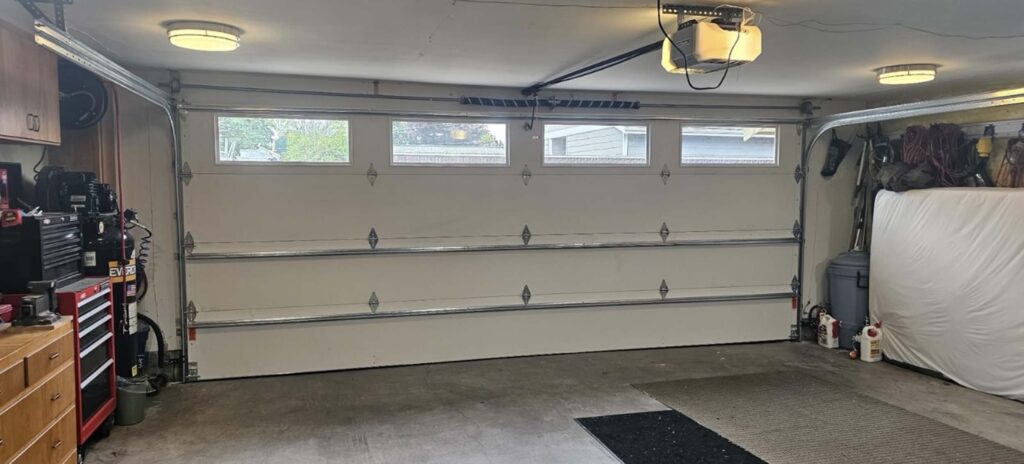
How To Tell Whether The Problem Is The Door Or The Opener
Many homeowners assume the opener is failing because it is the part making noise. In reality, the opener often reveals a mechanical problem somewhere else.
The Door Should Move Properly By Hand
A trained technician can disconnect the opener and test the door manually. A balanced door should lift smoothly and stay controlled. If it drops hard, flies upward, or cannot hold a partly open position, the spring system may be out of balance.
Manual balance testing helps separate opener problems from door problems. If the door is heavy by hand, replacing the opener alone will not solve the root issue. The new opener may inherit the same strain that damaged the old one.
Opener Symptoms Can Point To Mechanical Resistance
An opener may stop, reverse, shake, hum, or flash warning lights because the door is not moving freely. Possible causes include worn rollers, bent tracks, weak springs, loose hinges, cable tension issues, or sensor vibration.
A good repair process should test the door before recommending opener replacement. This avoids unnecessary part replacement and protects the homeowner from paying for a new motor when the door still needs mechanical correction.
Safety Problems That Need Faster Service
Some garage door issues are inconvenient. Others can become unsafe. The difference matters.
Urgent Warning Signs
Homeowners should avoid operating the door and request service quickly when they notice:
- A broken spring or visible gap in the torsion spring
- A loose, frayed, or hanging cable
- A door that sits crooked in the opening
- A roller that has come out of the track
- A door that slams shut or will not stay open
- An opener running while the door does not move
These symptoms usually involve weight support, alignment, or track control. Continuing to press the opener button can make the damage worse and may create a safety risk.
Non-Urgent But Important Repair Signs
Other issues may not be emergencies but should still be handled before they spread. Worn weather seals, noisy rollers, loose hinges, fading remote response, minor sensor errors, and small panel dents can become larger problems if ignored.
The best rule is simple: if the door movement changes, pay attention. A garage door that sounded normal last month but now shakes, grinds, or closes unevenly is telling the homeowner something has changed.
Garage Door Springs: Why Balance Matters So Much
Springs are one of the most important parts of the garage door system. They carry the door’s weight so the opener does not have to.
Torsion Springs And Daily Cycle Wear
Most residential garage doors use torsion springs mounted above the door. These springs twist and unwind as the door opens and closes. Every full open-and-close movement counts as one cycle. A household using the garage six times per day can put more than 2,000 cycles on the system in a year.
Spring wear is normal, but the symptoms should not be ignored. A weakening spring may make the door feel heavy, cause the opener to strain, or make the door stop before fully opening. A broken spring may create a loud bang and leave the door too heavy to lift safely.
Why Spring Replacement Should Match The Door
A replacement spring must match the door weight and system design. Door weight changes depending on size, insulation, window inserts, materials, and hardware. The wrong spring can make the door too heavy or too light, both of which create safety and performance problems.
A good spring repair includes checking cables, drums, bearings, brackets, opener force settings, and final balance. Replacing the spring without testing the full system leaves too much room for repeat issues.
Need Help?
Contact Tako Garage Door Service
Rollers, Tracks, Hinges, And Cables Work As One System
Garage door movement depends on multiple parts staying aligned. A single worn roller or loose hinge can create more vibration than homeowners expect.
Rollers Control Smooth Movement
Rollers guide the door through the tracks. When rollers crack, wobble, flatten, or lose bearing function, the door may shake or grind. Nylon rollers can reduce noise compared with basic metal rollers, especially in attached garages.
However, rollers should not be replaced without checking the tracks. If the track is bent or misaligned, new rollers may still bind.
Tracks Need Proper Alignment
Tracks should be secure, plumb, and parallel. A track that is slightly bent or loose can create resistance during travel. If the door shakes at the same point every cycle, the problem may be tied to one track area or one roller position.
Track work should be handled carefully. A garage door is heavy, and track alignment affects how safely that weight moves.
Cables Must Stay Even
Cables help lift the door evenly from both sides. If a cable loosens, frays, or comes off the drum, the door can become crooked. A crooked door should not be forced open or closed with the opener.
Cable issues often connect to spring balance or drum alignment. A repair should check why the cable failed, not only replace the visible cable.
Smart Openers And Sensor Issues In Sammamish Homes
Smart openers are helpful for alerts, remote access, and convenience, but they can make mechanical problems look like app problems.
Smart Alerts Do Not Always Mean Opener Failure
A smart opener may report “failed to close” because the safety sensors were interrupted, the door hit resistance, or the travel limit was incorrect. The app shows the symptom, not always the cause.
Before replacing a smart opener, the door should be checked for balance, roller condition, track alignment, cable tension, sensor stability, and top-section reinforcement.
Before replacing a smart opener, the door should be checked for balance, roller condition, track alignment, cable tension, sensor stability, and top-section reinforcement.
Battery Backup And Main Entry Use
Many Sammamish households use the garage as a main entry. Battery backup can help during outages, but it should not be treated as a repair for a weak door. Backup power only helps if the door system is mechanically safe and balanced.
Homeowners should also know how to use the manual release safely. A door with a broken spring may drop suddenly if released incorrectly.
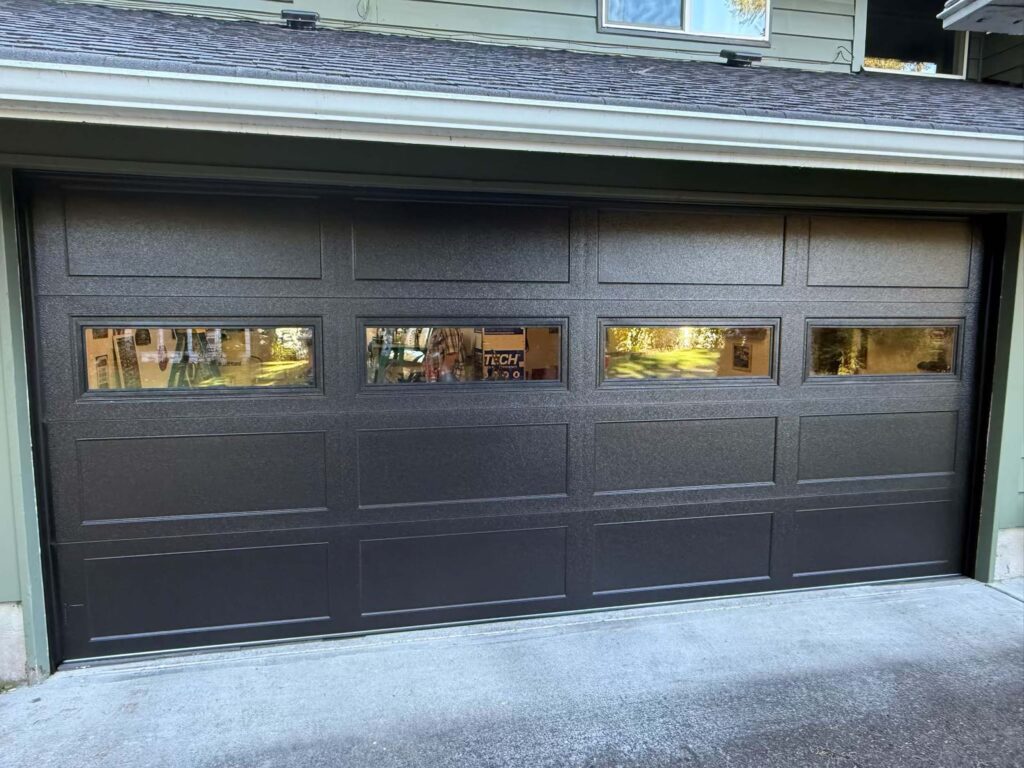
Repair Or Replacement: How Sammamish Homeowners Should Decide
Repair is often the right choice when the door structure is still sound. Replacement becomes more practical when damage is structural, repeated, or affecting daily reliability.
When Repair Makes More Sense
Repair is usually practical when the panels are straight, the tracks are secure, and the problem involves normal wear parts. Springs, cables, rollers, hinges, seals, bearings, sensors, and opener adjustments can often be corrected without replacing the full door.
A repair should restore balance and smooth movement. If the door still shakes, drags, or strains after replacing a part, the diagnosis was incomplete.
When Replacement Becomes More Practical
Replacement may make more sense when multiple panels are damaged, insulation has failed, rust is spreading, the door no longer seals properly, or the opener repeatedly strains even after repairs.
A new door can also be a better fit when homeowners want quieter movement, improved insulation, better curb appeal, or smart-opener compatibility. In attached garages, a stronger insulated door can reduce vibration and improve daily comfort.
Cost Factors In Garage Door Repair
Garage door repair costs vary because the issue may involve one part or several connected parts. A simple sensor adjustment is different from spring replacement, cable repair, track correction, or opener replacement.
What Usually Changes The Price
The main cost factors include part type, door size, spring system, cable condition, opener type, panel damage, track alignment, and whether emergency service is needed. High-cycle springs, premium rollers, smart opener components, and custom door parts can also affect cost.
Homeowners should ask what is included in the repair. A spring replacement, for example, should include final balance testing. An opener adjustment should include safety reversal testing. A cable repair should include checking why the cable loosened or frayed.
Why The Cheapest Fix Can Cost More Later
A low-cost repair that ignores the cause may lead to repeat service. Replacing a roller without checking track alignment may not solve grinding. Adjusting opener force without correcting a heavy door may create safety issues. Replacing sensors without stabilizing a vibrating track may not stop reversal.
The better value is a repair that solves the system problem.
Quick Diagnostic Table For Sammamish Homeowners
Symptom
| Possible Cause
| Practical Next Step
|
Door reverses near the floor
| Dirty sensors, travel setting, or mechanical drag
| Clean sensors, then request service if repeated
|
Door sounds louder than usual
| Worn rollers, loose hinges, spring stress, or track friction
| Inspect hardware and balance
|
Opener hums but door barely moves
| Broken spring, heavy door, or opener overload
| Stop using opener and schedule repair
|
Door closes crooked
| Cable tension, track alignment, or spring issue
| Avoid forcing operation
|
Light shows under the door
| Worn seal, uneven floor, or door misalignment
| Check seal and door position
|
Top panel bends
| Opener pulling against resistance
| Inspect bracket, balance, and opener setup
|
Door shakes at same spot
| Bent track, damaged roller, or loose hinge
| Check movement path before damage spreads
|
Safe Homeowner Checks Before Calling For Repair
Homeowners can inspect some visible items without touching high-tension parts. The goal is to describe the problem clearly, not to perform dangerous repairs.
Safe checks include:
- Clean photo-eye sensor lenses and clear the beam path
- Watch whether both sides of the door rise evenly
- Listen for grinding, popping, scraping, or rattling
- Look for frayed cables without touching them
- Check whether the bottom seal sits flat
- Note whether the issue happens every cycle or only sometimes
Homeowners should not adjust springs, loosen cables, remove bottom brackets, force rollers back into tracks, or operate a crooked door. Those repairs involve door weight and stored tension.
Preventive Maintenance For High-Use Garage Doors
A high-use garage door needs more attention than a door opened only occasionally. Families that use the garage as the main entry should treat maintenance as part of home safety.
Annual Service Is A Practical Baseline
Most residential garage doors should be inspected at least once a year. High-use homes may benefit from inspection every six months. A professional visit should include balance testing, spring review, cable inspection, roller and hinge checks, track alignment, opener force testing, sensor alignment, weather seal review, and lubrication where recommended.
Maintenance does not eliminate wear, but it helps catch problems earlier.
Service Details To Confirm Before Work Begins
Before repair begins, homeowners should understand what part failed, why it failed, and whether related components are affected. A clear service explanation should cover balance, springs, cables, rollers, tracks, opener behavior, safety sensors, and weather sealing where relevant.
For homeowners dealing with a noisy, heavy, crooked, reversing, or stuck garage door, contact Tako Garage Door to review the symptom, schedule inspection, and decide whether targeted repair, opener adjustment, spring service, or a larger system correction is the right next step.
Frequently Asked Questions
Most residential garage doors should be serviced once a year. Homes that use the garage as the main entry may need service every six months. A proper inspection should include balance testing, spring review, cable inspection, roller and hinge checks, track alignment, sensor testing, opener calibration, and weather seal evaluation.
The most common reasons are dirty sensors, misaligned photo eyes, loose sensor brackets, incorrect travel limits, opener force settings, or mechanical drag. If cleaning and clearing the sensor path does not solve the issue, the door may be binding in the tracks or closing with too much resistance.
A noisy garage door is not always dangerous, but it should not be ignored. Grinding, popping, scraping, or loud rattling can point to worn rollers, loose hardware, spring stress, or track friction. If the sound is new or getting worse, the system should be inspected before the opener is damaged.
A broken torsion spring often has a visible gap in the coil above the door. The door may feel extremely heavy, open only a few inches, or refuse to move. A loud bang from the garage can also mean a spring has snapped. Do not force the opener after spring failure.
A crooked garage door may involve cable tension, a loose cable, track alignment, spring imbalance, or roller problems. A crooked door should not be forced with the opener because uneven movement can damage tracks, cables, panels, and opener hardware. The full lifting system should be inspected.
The door should be tested before replacing the opener. If the door is heavy, unbalanced, crooked, or dragging in the tracks, a new opener may still struggle. Opener replacement makes sense when the door is mechanically sound but the motor, rail, controls, or safety features are outdated or failing.
Weather seals can help when the rubber is cracked, flattened, or missing. However, if the door sits unevenly or the floor contact is inconsistent, seal replacement alone may not solve the problem. Track alignment, cable tension, and door balance may also need review.
Stop using the opener and keep people away from the door. A stuck halfway door may involve springs, cables, rollers, tracks, or opener failure. Forcing it can make the damage worse. A technician should inspect the system before the door is moved again.


