
A garage door may seem like a small part of the house, but it can feel very loud when a bedroom sits above it or near it. Each time the door opens, sound can move through the ceiling, wall, and floor. For homes in Oak Harbor, a careful garage door installation in Oak Harbor can help the door fit the home, move more smoothly, and make less noise near sleep areas.
A quiet garage door is not just about the motor. The door panels, rollers, hinges, tracks, springs, and opener all work together. When one part shakes or scrapes, the sound may carry into the house. A better door choice can help make the whole garage feel calmer, not just quieter.
The Loudest Garage Door Problem May Be The One You Hear Upstairs
A garage door can sound normal while you stand in the garage. But the same door may seem much louder in a room above it. Sound can travel through shared walls, the ceiling, and the wood frame of the house. This is why a bedroom above garage space may hear more than people expect.
The sound may not come from one loud part. It may come from many small sounds at once. A roller may click. A hinge may shake. A panel may flex. These small sounds can move through the house and feel bigger in a quiet room. At night or early in the morning, even a short door cycle can wake someone who is sleeping.
Door Noise Comes From Motion, Not Just The Motor
Many people think the motor causes most garage door noise. The opener does make sound, but the moving door makes noise too. The panels bend a little as they rise. The rollers move through the tracks. The hinges open and close. If these parts are old, loose, or dry, the door may sound rough even with a new opener.
A quiet door needs smooth motion. The door should rise without shaking. The rollers should glide instead of scrape. The hinges should move without loud clicks. When the door moves well, the opener has less work to do. That helps the full system sound better from start to finish.
Some common noise sources include:
- Loose hinges that tap as the door moves
- Worn rollers that grind in the tracks
- Thin panels that rattle during travel
- Dry parts that squeak each time the door opens
A More Solid Door Can Sound Calmer Before The Opener Even Starts
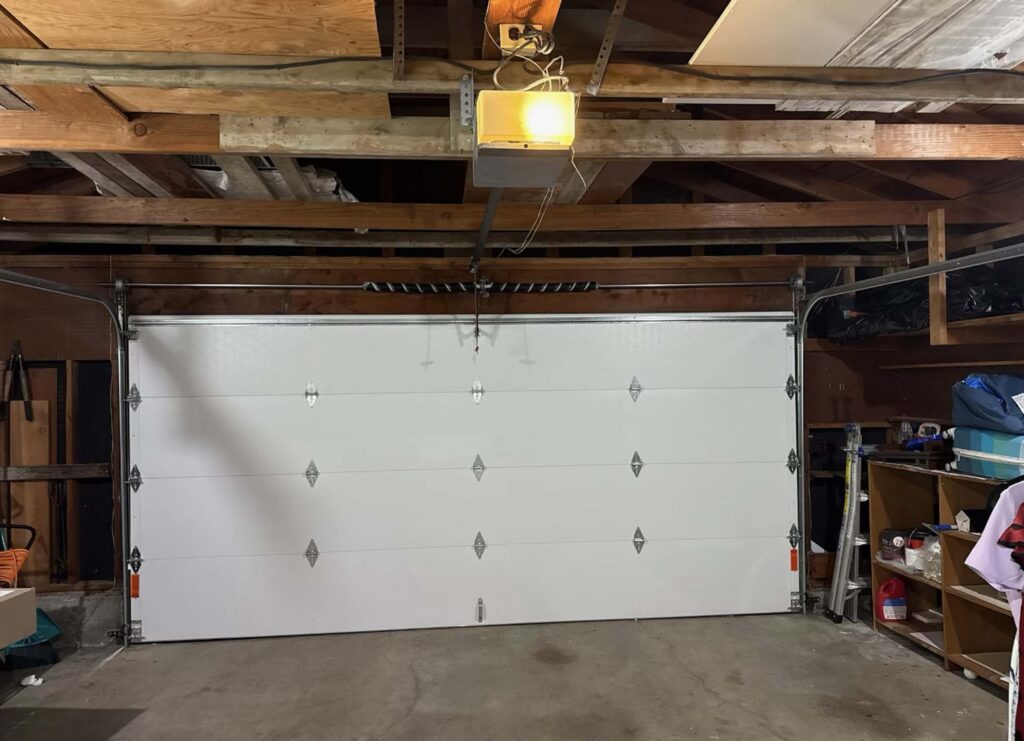
A thin door can act like a drum. When it moves, the panels may shake and make a hollow sound. An insulated garage door often feels more solid because it has more layers. That added build can help lower panel shake and reduce the sharp sound that comes from light metal moving.
Insulation can help in more than one way. It may help with heat, but it can also help the door feel less flimsy. A door with stronger panels may sound calmer even before the garage door opener starts to pull it up. This can be helpful in homes where bedrooms sit close to the garage.
Not every insulated door will sound the same. The way the door is built still matters. A strong door with good seams and firm panels may stay quieter than a weak door with loose parts. Homeowners should think about the full build, not only the word “insulated.”
Rollers Can Turn A Harsh Ride Into A Smoother One
Rollers are small, but they affect every door cycle. Old metal rollers may scrape, wobble, or click as they move. When that happens several times a day, the sound can become hard to ignore. Newer quiet door rollers, often made with nylon, can help the door ride more smoothly in the tracks.
The type of roller matters, but its shape matters too. A good roller should move with little shake. If it is chipped, bent, or loose, it may still make noise even if it is a quieter style. Good rollers help the door move in one clean path instead of bouncing from side to side.
This part of the system is easy to miss because rollers are not as visible as the door panels. Still, they can make a large difference in how the door feels and sounds each day. When a door needs to be quieter near a bedroom, roller choice should be part of the plan.
Need Help?
Contact Tako Garage Door Service
Bedrooms Above The Garage Feel Vibration As Much As Noise
Some sounds move through the air. Other sounds move through the house itself. A squeak may be easy to hear, but a low thump may be something people feel through the floor. This is why garage vibration control matters when a room sits over or beside the garage.
Vibration can come from a hard start, a hard stop, or loose parts that shake during each cycle. It can also come from the opener rail or ceiling mount. When those parts send movement into the frame of the house, the room above may hear and feel it. A quieter system should reduce both the sound in the air and the shake in the structure.
Homeowners may notice vibration when:
- The floor above the garage seems to hum or thump
- The ceiling shakes when the door starts or stops
- The door sounds worse upstairs than inside the garage
- A late-night opening wakes people even when the motor does not sound very loud
Windows Add Style, But Loose Parts Add Sound
Windows can make a garage door look nicer. They can also bring more light into the garage during the day. But any added part needs to fit well. If a window frame, trim piece, or insert sits loose, it may rattle each time the door moves.
That does not mean windows are a bad choice. It means the door should be built and installed with care. A window section should feel firm, not loose. The panel around it should not shake more than the rest of the door. When the fit is right, homeowners can enjoy the style without adding more sound near bedrooms.
This is also true for other design details. Decorative hardware and raised panels should add beauty, not extra movement. A good-looking door should still feel solid when it opens and closes.

A Quiet Door Still Needs A Quiet Match At The Ceiling
The door itself is only one part of a quieter garage system. The opener also matters. A chain-drive opener may work well, but it can make more sound than other types. A belt-drive model is often a better fit when quiet use matters. A low noise opener can help reduce the sound that comes from the motor and drive system.
The way the opener is mounted matters too. If the motor is fixed to the ceiling under a bedroom, some sound may move up into the room above. In some homes, a wall-mounted opener may help because it does not hang from the ceiling. The right choice depends on the garage layout, door size, and the space above it.
A quiet opener will not fix every problem by itself. If the door is loud, shaky, or out of balance, even a good opener may still sound louder than it should. The best result comes when the door and opener are chosen as one system.
Nighttime Use Changes What Counts As Acceptable Noise
A door that seems fine in the afternoon may feel too loud at night. Homes are much quieter when people sleep. A door that opens during a late return home or an early work shift can stand out more than it does during the day. This is very true when young children, light sleepers, or shift workers use nearby rooms.
Night use changes what homeowners may want from a door. They may care less about one loud motor sound and more about many small sounds that last through the full cycle. A smooth door can help because it does not scrape, shake, or slam as it moves. The goal is not total silence. It is a door that does its job without pulling attention from the rest of the home.
A quieter garage can help with:
- Early work days
- Late trips home
- Sleeping babies or children
- Bedrooms close to the garage wall or ceiling
Heavier Is Not Always Louder When The System Is Balanced
Some homeowners think a heavier door must make more noise. That is not always true. A solid door can move very well when the springs, tracks, and opener are set up for its weight. In fact, a light door with loose parts may sound worse than a heavier door that is balanced well.
Balance means the system helps carry the door the right way. The door should not pull hard to one side. It should not drop fast or jerk when it starts. If the system is balanced, the opener does not need to fight the door. That can help the door sound calmer and last longer.
Weight is only one part of the choice. The full setup matters more. A strong door with the right hardware may be a better fit for a quiet home than a very light door that moves with more shake.
Old Hardware Can Undercut A Good Door Choice
A new door panel may look great, but old hardware can still cause noise. Worn hinges can click. Old rollers can grind. Loose tracks can shake. If homeowners replace only the visible door sections, much of the old sound may remain.
This is why the moving parts should be checked during a new door project. A good garage door installation should look at more than the door face. The rollers, hinges, track setup, springs, and opener should all work well together. When these parts are matched, the door can move with less stress and less sound.
Old hardware may also make a new door work harder than it should. That can lead to more wear over time. A quieter door often starts with choosing the right door, but it also depends on what supports it.
A Quiet Garage Door Should Feel Smooth From Start To Stop
A quiet door should not only sound better. It should also feel better when it moves. It should start without a hard jerk. It should travel without shaking. It should close without a heavy drop at the end. Smooth movement often means the parts are working together instead of fighting one another.
Homeowners can watch the door during one full cycle. If it wobbles, pauses, or shakes, there may be a reason it sounds loud. A door that glides well is often easier on the opener and less likely to send noise into nearby rooms. That smooth feel is one of the clearest signs of a better system.
A quiet door should feel:
- Steady when it begins to move
- Even as it travels on the tracks
- Calm when it reaches the top
- Soft when it closes at the floor
The Best Upgrade Is The One The Rest Of The House Stops Noticing
The best garage door upgrade may be the one people stop thinking about. The car leaves. The door opens and closes. The people in nearby rooms stay asleep or keep resting without a loud reminder that the garage is in use. For homes with bedrooms close to the garage, that can make daily life feel much easier.
A quieter door comes from many smart choices working together. Solid panels, better rollers, good balance, a good opener, and well-set hardware all play a part. When the whole system moves smoothly, the garage can do its job without taking over the rooms around it.
Frequently Asked Questions
A solid insulated door is often a good choice because it can help lower panel shake. Smooth rollers, balanced parts, and a quiet opener also matter.
It can help. An insulated door often feels more solid than a thin door, so it may rattle less as it moves.
Yes. Nylon rollers often make less sound than metal rollers and can help the door move more smoothly.
Not always. The opener makes sound, but rollers, hinges, panels, tracks, and loose parts can also create a lot of noise.
A belt-drive opener is often a good choice for lower sound. A wall-mounted model may also help in some homes.
Sometimes. New rollers, better lubrication, tighter hardware, and repair work may help. If the door is very old or weak, a new system may work better.


