
A garage door can wear out faster when it faces wet air, sea mist and long rainy months. This is common for many Port Townsend homes, where the door may stay damp long after a storm has passed. If you are looking into Garage Door Installation Port Townsend, it helps to think about more than style. The door also needs to fit the weather around your home.
A door near the coast may not fail all at once. It may first show small signs, like peeling paint, rusty parts or soft spots near the bottom. These signs can grow with time. When the same issues keep coming back, garage door replacement may be a better choice than more small repairs.
Coastal Moisture Rarely Damages A Door All At Once
Coastal moisture damage often starts in small ways. A little water may sit near the bottom of the door after rain. Paint may lift at one edge. A hinge may start to squeak. None of these signs may seem urgent at first, so they are easy to miss.
Over time, these small signs can add up. Water may reach deeper parts of the door. Metal parts may start to rust. A door that once moved with ease may begin to drag or shake. The damage often grows slowly, which is why many people do not notice the full problem until the door has already lost strength.
Peeling Paint Can Hide More Than A Cosmetic Problem
Peeling paint is not always just about looks. Paint helps keep water away from the door surface. Once it starts to crack or peel, rain and damp air can reach the layer below. On wood doors, this may lead to swelling or soft spots. On metal doors, it may allow rust to begin.
The trouble may spread under the surface before it is easy to see. A fresh coat of paint may help for a while, but it may not solve the deeper issue if water has already moved into the door. When peeling keeps coming back in the same place, the door may need more than another touch-up.
Rust Around The Hardware Can Change The Whole Door’s Movement
Rust does not only affect the look of a door. It can also change the way the door moves. Hinges need to bend well. Rollers need to glide along the track. Tracks need to stay smooth so the door can open and close without strain.
When rust forms on these parts, the door may start to feel rough or uneven. It may squeak, shake or move more slowly than before. Garage door corrosion can also add stress to the opener because the door no longer moves as freely as it should. This is one reason many homeowners ask about rust resistant doors when they need a new one near the coast.
Need Help?
Contact Tako Garage Door Service
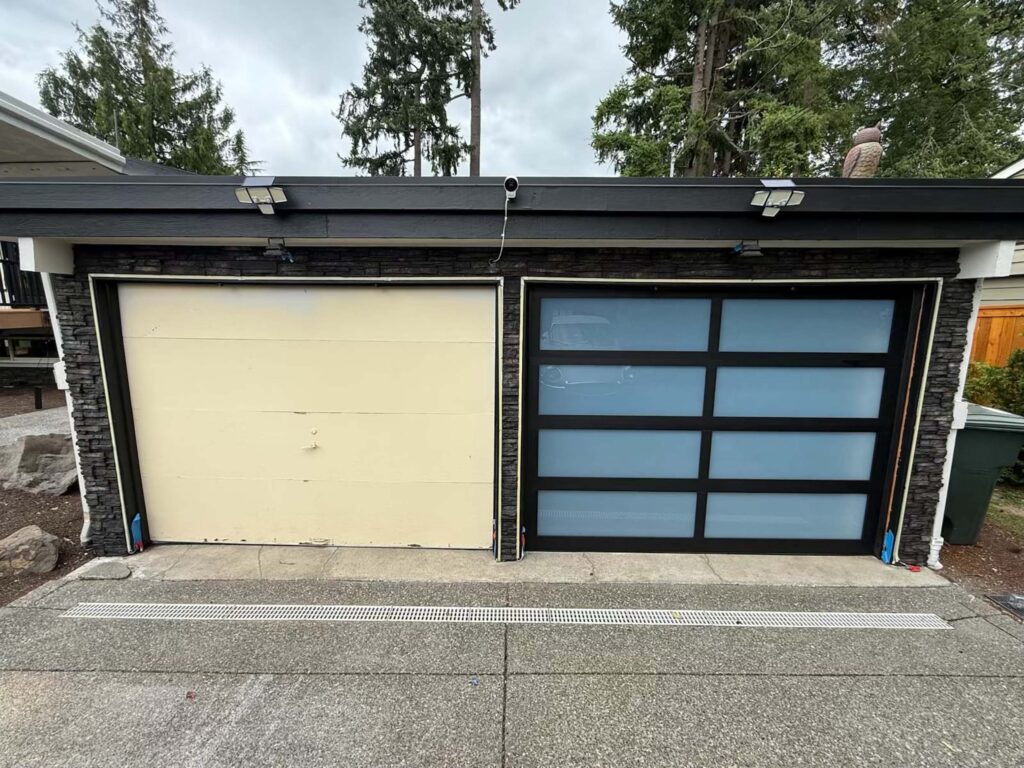
Bottom Seals Take The First Hit From Wind-Driven Rain
The bottom seal often faces the most wear. It sits closest to the ground, where rainwater, dirt and grit collect. Wind can push rain against it again and again. With time, the seal may crack, flatten or pull away from the door.
Once the bottom seal wears out, water can enter more easily. Damp air may also move into the garage through small gaps. This can leave the floor wet and make stored items feel damp. A good weatherproof garage door should close well at the bottom so rain has fewer ways to get inside.
Wood-Look Style Does Not Have To Mean Wood-Level Upkeep
Many homeowners like the warm look of wood. It can fit well with older houses and homes that have a classic style. Yet real wood often needs more care in wet weather. It can swell, split or need new paint more often when rain and damp air stay around for long periods.
There are other ways to get a wood-like look. Some steel and composite doors are made to look like wood while needing less upkeep. These moisture resistant doors can be a smart choice for homeowners who want a classic style without the same level of care that real wood may need near the coast.
A Replacement Door Should Suit The Climate, Not Just The House
The look of the door matters, but the local weather matters too. A door that works well in a dry area may not last the same way in a damp coastal place. For homes in Port Townsend, rain, sea air and long wet seasons should all be part of the choice.
That does not mean every home needs the same door. One garage may sit in a more sheltered spot, while another may face more wind and open air. Still, good coastal garage doors should be picked with the climate in mind, not only the color, window style or panel shape.
A homeowner may want to compare:
- Door surface and finish
- Hardware coating
- Bottom seal quality
- Need for insulation
- Ease of care over time
Salt Air Can Shorten The Life Of More Than The Panels
Salt air can affect more than the front face of the door. It may also settle on springs, fasteners, brackets and tracks. These small parts often get less notice, yet they help the whole door work each day.
If these parts begin to rust, the system may age faster. A door may grow louder, move less smoothly or need service more often. Some homeowners choose insulated garage doors when they replace an old door because they can feel stronger and may help with comfort. Still, the door also needs hardware and surface materials that can stand up to damp coastal air.
Small Gaps Become Bigger Problems During Long Wet Seasons
A small gap may not seem like much on a dry day. During a long wet season, it can let in rain, drafts and damp air again and again. Water may gather near the door opening. The garage may feel colder, and boxes or tools near the door may stay damp.
These gaps can come from old seals, warped panels or a door that no longer fits the opening well. If the door keeps letting in moisture even after small repairs, a new door may give the garage a better fit. The right fit can help keep out water before it becomes a repeated issue.
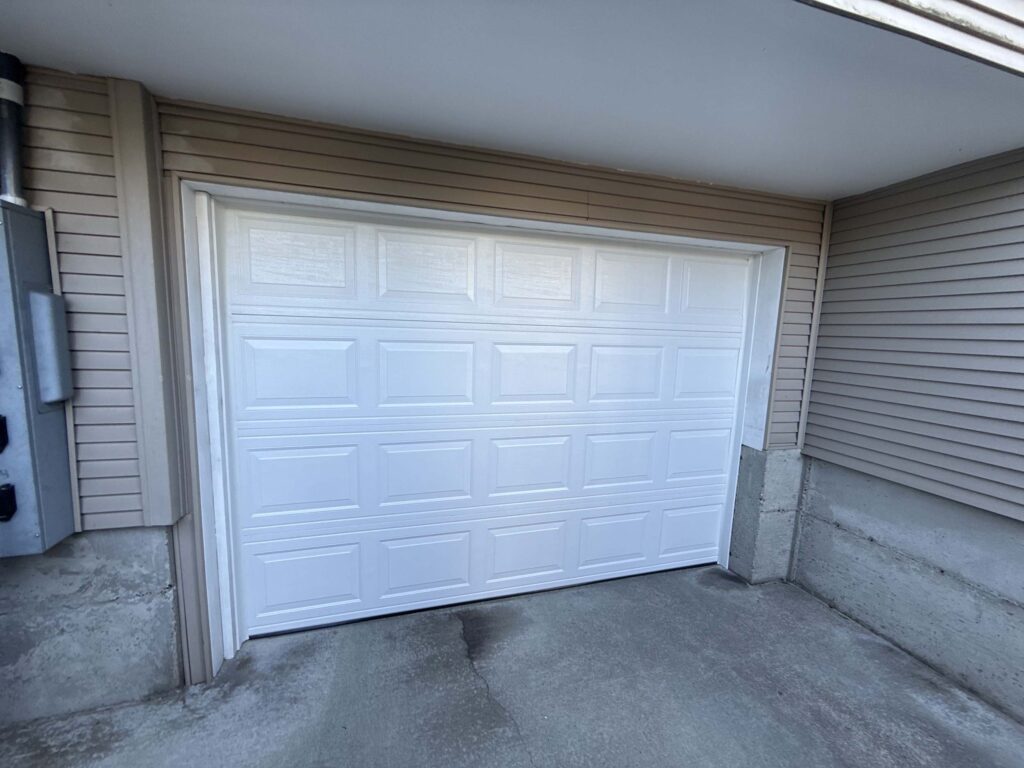
The Right Finish Helps Preserve The Door Between Maintenance Visits
The finish on a door helps guard the surface below it. A strong finish can slow down peeling, fading and water entry. This matters in a place where wet air may sit on the door for many days during the year.
Different garage door materials can come with different finish options. Some steel doors have factory coatings. Some composite doors are made to handle wet weather with less upkeep. No door is free from care, but the right finish can help it look better longer and reduce the need for constant touch-ups.
Historic Character Still Needs Modern Weather Defense
Many older homes have details that make them special. Their garage doors often need to match that same style. A plain modern door may look out of place next to a home with older trim, woodwork or classic shapes.
A new door can still fit the home while giving better weather protection. Homeowners can choose panel styles, colors and window shapes that keep the old charm. At the same time, they can use newer materials that stand up better to rain and damp air. This helps protect the garage without taking away from the look of the house.
Repeated Moisture Repairs Can Signal The End Of Patchwork Fixes
One small repair does not always mean a door should be replaced. A worn seal or one rusty hinge may only need service. But when the same moisture issues keep returning, the door may be past the point where patchwork fixes make sense.
A door may need fresh paint again and again. Rust may return after cleaning. The lower panel may keep swelling. Gaps may reopen after new seals are added. When these problems repeat, replacement may be the more practical path. It can give the home a door built for the setting instead of one that needs constant repair.
A Port Townsend Door Has To Be Chosen For The Years Between Storms
A garage door near the coast has to deal with more than big storms. It also faces all the quiet wet days in between. Moisture may sit on the door. Salt may gather on metal parts. Seals may stay damp for long hours. This daily wear can shape how long the door lasts.
A good replacement door should fit both the house and the weather around it. Strong garage door materials, protected hardware, good seals and a finish made for damp air can help the door hold up better over time. For coastal homes, the best choice is often the one that keeps working well long after the next rain has passed.
Frequently Asked Questions
Doors with moisture-resistant surfaces, strong finishes and protected hardware often work well in wet coastal areas.
Yes. Salt air can move inland with wind and may still add wear to metal parts over time.
They can be a good choice. They may help the door feel stronger and can support better comfort in the garage.
Replacement may make sense when rust, swelling, peeling paint and poor fit keep coming back after repairs.
Yes. Many steel and composite doors offer a wood-like style with less upkeep in wet weather.


