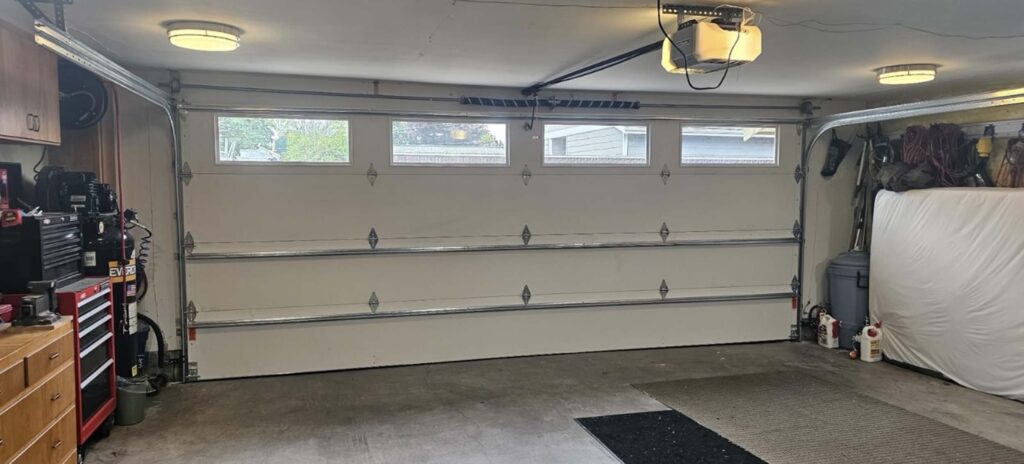
At 6AM, you want one simple thing. You want to leave fast and grab coffee. But the garage door does not move. Your car stays stuck. Your day starts with stress.
When people in town search for help, they might type something like
Garage Door Repair Woodinville because they just need the door to work again. If you live in Woodinville, Washington, this kind of morning problem is more common than it should be.
The Moment Everything Stops at 6AM
That frustrating split-second when your routine collapses because the door won’t move
You press the button. You wait for the door to go up. But nothing happens. Or it moves a tiny bit and stops. That is the moment your plan breaks.
A morning garage issue can feel like it came out of nowhere. Most times, it did not. The door system has been getting tired for a while. It just picks the worst time to show it.
Here are a few ways a stuck door can act at 6AM:
- The opener hums, but the door stays still
- The door lifts a little, then drops
- The door starts, then stops like it hit a wall
- The door looks a bit crooked in the opening
In any of these cases, you may be dealing with a garage door stuck problem that needs a real fix, not more button pushes.
Why Early Morning Temperatures Hit Harder
Subtle overnight shifts affect springs, metal contraction, and opener response
Early mornings are colder. Metal parts change a little when they get cold. Tracks, rollers, and springs can feel tighter. Oil and grease can get thick. The door may not slide as smooth as it did the day before.
This is why a door can feel fine at 4PM and bad at 6AM. Cold air does not break the door by itself. It just makes a weak part show up faster. If the door was already close to failing, cold can push it over the edge.
The Silent Strain Inside Your Garage Door System
Internal components weakening long before visible failure
Garage doors move a lot. Up and down. Day after day. Inside, parts rub and bend and pull. They wear out in small steps. You may not see it at first.
A roller can get rough. A hinge can crack a little. A bearing can start to drag. These things can build up until you have a garage door failure on a random morning. The door stops, and it feels sudden. But the wear was there.
When Moisture Turns Into Resistance
Damp Woodinville air quietly increasing friction in tracks and rollers.
Woodinville air can be damp, especially in the morning. Moist air can leave a thin wet layer on metal. Dust and grit can stick to it. That mix can turn into sticky dirt in the tracks.
Even a small bit of extra drag can matter. The opener has a limit. If the door gets too hard to move, the opener may stop to protect itself. That can leave you with a stuck garage door when you are trying to leave.
The Opener That Sounds Fine-but Isn’t
Motors running without actually transferring movement.
Sometimes you hear the motor. It sounds normal. The light turns on. But the door does not lift. That can be a garage opener issue, even if the motor still runs.
The opener can spin but not grab the door the right way. A gear inside can be worn. The chain or belt can be loose. The trolley can be disconnected if the release cord was pulled. When this happens, it feels confusing because the opener is making noise, but the door stays put.
How Small Delays Turn Into Full Lockups
Minor hesitation evolving into complete non-response.
Many doors give small warnings. They may pause before moving. They may shake a little. They may move slower than normal. These signs can come and go, so people ignore them.
Then one day the delay turns into a stop. The opener tries, feels too much load, and quits. That is when you say, “My door wont open.” The real problem is often older than that morning.
The Weight Shift You Don’t Notice Until It’s Too Late
Balance issues making the door feel heavier overnight.
A garage door is heavy. Springs help carry that weight. When springs are healthy, the door feels lighter and smooth. When springs get weak, the door gets harder to lift.
A door spring problem can show up as a door that starts, then stops. Or it can show up as a door that feels very heavy if you try to lift it by hand. Springs can also break. When they break, people often hear a loud bang and then the door will not go up.
Springs can be dangerous. If you think a spring is broken or loose, do not try to fix it yourself.
Why Your Remote Suddenly Feels Useless
Signal works, but mechanical failure overrides it.
It is easy to blame the remote. You press it again and again. You change the battery. You stand closer. But the signal is often fine.
If the door system is jammed or out of balance, the opener may refuse to move it. So the remote feels useless even when it is working. The door is just too hard to pull, so the opener stops.
The Hidden Impact of Daily Use Patterns
Repeated cycles wearing down specific stress points.
Some homes use the garage door a lot. It becomes the main way in and out. That means more cycles every day. More cycles lead to more wear.
Wear often hits the same spots. Rollers take hits. Hinges flex. Springs lose strength over time. If your door gets used many times a day, it may need care sooner than a door that moves only once or twice a day.
What Happens Inside a Stuck Door Mechanism
Breakdown of how parts fail together, not individually.
A door system works like a team. Springs lift weight. Cables keep both sides even. Rollers help the door roll. Tracks guide the path. The opener pulls the door, but it is not made to fight a heavy, stuck door.
When one part gets weak, it stresses the next part. A weak spring makes the opener work harder. Dirty tracks add drag. A worn roller can bind. Then the opener senses too much load and stops. That is why a stuck door is often not just one bad part.
Why These Failures Always Feel Unexpected
Gradual wear masked by normal operation until sudden stop.
Most people do not watch their garage door. You press a button and walk away. The opener hides many small problems by working harder.
So when the door stops, it feels like a surprise. But if you look back, you may remember little signs. A new squeak. A shake. A slow lift. A hard close. Those were clues. The system was getting close to trouble.
Restoring Movement Without Guesswork
The importance of diagnosing the root cause instead of forcing the system.
When your car is trapped, you may want to force the door. You might keep pressing the button. You might pull the red cord and try to lift the door fast. That can make the problem worse. It can also be unsafe if the door is heavy or off track.
A calmer approach is better. Look for simple signs first. Stop if the door looks uneven, stuck hard, or very heavy. If you need help, a local garage door service team can check the full system and find the real cause.
Here are a few safe, basic checks that can help you describe the problem:
- Listen – does the opener run or stay silent?
- Look – does the door sit crooked or tight in the tracks?
- Check – is the opener still plugged in and powered?
- Stop – if you see a broken spring gap or loose cable, do not pull on it
For woodinville repair, Tako Garage Door works on garage door repair and installation services in Woodinville, Washington. When you call for emergency repair, the goal is to get safe movement back and fix the cause, not just make it move once.
Frequently Asked Questions