When people search for
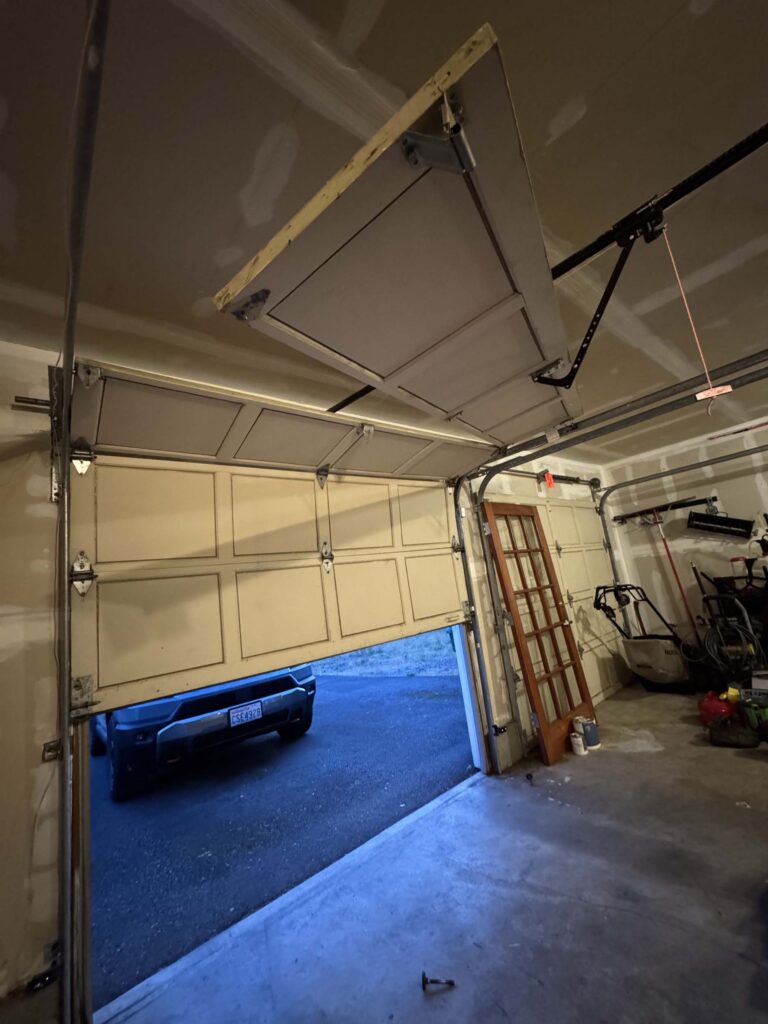
Garage Door Repair Bothell, it is often because the door comes down, slows, and then quits right near the floor. You may see a small gap. You may hear a click. Then the door stops or goes back up.
This can feel confusing. Most of the door trip looks normal. Then the last part turns into a closing problem. Many homeowners say the same thing: garage door wont close. It is not “just being weird.” There is usually one main reason, plus a few small things that make it show up more often.
When “Almost” Becomes the Problem
That last few inches where systems fail to complete the cycle.
The last few inches are a big deal. The door is trying to land flat. The bottom seal is trying to press on the floor. The opener is watching for danger. If the system feels extra push at the end, it may stop to stay safe.
This is why a door can move fine for most of the way, then fail at the end. The door may look like it is almost done, but “almost” is where the door needs the most clean movement.
Why the Final Movement Is the Hardest
Increased tension and alignment precision required at the end.
At the bottom, the door needs to sit straight. If one side touches first, the door can twist a little. That twist can make a roller rub. Then the opener feels the rub and stops.
This is where
garage door alignment matters a lot. A door can look straight while it moves, but land a bit crooked. If you see one corner hit first, that points to a door that is not sitting even.
Many times, the door is not “broken.” It is just a little off. But “a little off” is enough to fail at the end.
The Illusion of a Working System
Everything appears fine until the final phase.
This problem can fool you. The remote works. The opener runs. The door opens. So it feels like the system is fine. Then the door gets close to shut and acts up.
The reason is simple. The finish needs more control than the middle of the trip. The door has to settle into place. If a roller is worn or a hinge is loose, you may only notice it at the end.
So the system can look okay, but still have a repeat partial closing issue.
Track Imperfections That Interrupt Closure
Slight bends or debris affecting only the bottom section.
A track problem does not have to be big. A small bend can pinch a roller. A loose bracket can let the track move. Dirt near the floor can build up fast, and that dirt can slow the door right when it needs to finish.
The bottom of the track is also where small rocks and grit like to sit. The door may roll over that junk, then bind when it tries to settle into the last spot.
If the door stops in the same place often, look low on both sides. A flashlight helps. Here are a few things people find a lot:
- Small stones or grit inside the track
- A track edge that looks pushed in
- A bracket bolt that is loose
If you see a bend, do not force the door. Forcing can make the bend worse.
The Balance Issue You Can’t See
Uneven weight distribution affecting closing pressure.
A garage door should feel steady when you lift it by hand (with the opener unplugged and the red release pulled). If it feels heavy, the springs may not be doing enough work. Then the opener has to do extra work.
When the opener works too hard, it may stop early. The door may slow down near the floor, then quit. This can show up as a door stops midway moment, even if the door is only a few inches from closed.
Balance can also be uneven side to side. One cable can pull a bit more than the other. That can make the door land crooked and add drag at the end.
Sensor Interference Without Obstructions
Invisible disruptions triggering a stop.
Sensors sit near the floor. They get dusty. They get bumped. Sunlight can also shine right into one sensor and confuse it. When that happens, you get sensor interference even when nothing is in the opening.
A common sign is this: the door starts down, then pops back up fast. Another sign is this: it will close only when you keep holding the wall button.
A quick check can help. Keep it simple:
- Wipe both sensor lenses with a soft cloth
- Make sure both sensors point at each other
- Look for a loose sensor bracket that can wiggle
If the sensor lights flicker when the door moves, a wire may be loose.
The Opener’s Safety Override Kicking In
System interpreting resistance as risk.
Most openers have a safety feature. If the opener feels too much push, it stops. It does this to avoid hurting a person, a pet, or the door.
People often call the setting opener pressure. Many manuals call it “force.” If the setting is too low, the door may stop even with no real block. If the setting is too high, the door can become unsafe.
If the door is rubbing, crooked, or heavy, turning the force up is not the best answer. It can hide the real issue and wear parts faster.
Why This Problem Feels Random
Conditions aligning differently each cycle.
Some days it works. Some days it fails. That feels random, but small changes can flip the result. The door may hit the same tight spot in a slightly different way. The floor may be damp and grab the bottom seal. The track may have a bit more grit one day.
Bothell weather can also play a part. Damp air can make dirt stick. A wet floor can make the rubber seal tacky. That can add drag right at the end.
So it may look like luck, but it is often tiny changes stacking up.
Gradual Wear Focused on One Section
Bottom panels and rollers taking the most stress.
The bottom of the door takes a lot of abuse. It is near the driveway. It gets splashed. It gets kicked. It meets the floor every time the door closes. The bottom rollers carry big load when the door settles.
Over time, rollers can get rough. Hinges can loosen. The bottom panel can bend. Then the door lands less flat, and the opener feels more drag.
That is why a door may run fine for years, then slowly start to show the same end-of-close trouble.
How Repeated Attempts Make It Worse
Extra strain accelerating component fatigue.
When the door will not shut, most people press the button again. Then again. That is normal. But repeated tries can stress the opener and the door.
If a roller is binding or the track is tight, each extra cycle grinds that spot more. The opener may heat up. A small issue can turn into a bigger repair.
If it fails twice in a row, pause. Look for a simple cause first, like a dirty sensor or debris in the track.
The Pattern Behind Partial Closures
Identifying consistency in where and how it stops.
Most “random” problems have a pattern. You just have to notice it. Does it stop at the same height each time? Does it stop and stay, or stop and reverse? Does one side touch the floor first?
A simple way to spot the pattern is to watch one full close from the side. You can also record a short video. Look for the same moment each time.
Here are three pattern clues that help a lot:
- Stops and reverses fast – often sensors or force settings
- Stops and stays – often drag, track, or balance
- One side hits first – often alignment or cable tension
Finding the pattern helps you pick the right garage door fix.
Restoring a Clean, Full Close
Aligning mechanics, sensors, and pressure settings together.
A clean close happens when the door rolls smooth, lands flat, and the opener feels normal effort. The sensors also need a clean signal the whole time. When all of that lines up, the door shuts in one steady move.
Some steps are safe for homeowners. You can wipe sensors. You can clean the lower track area. You can look for loose track bolts. But springs, cables, and bottom brackets are not safe DIY parts. They hold a lot of stored force.
If the door feels heavy, sits crooked, or keeps stopping at the end, a full inspection usually saves time.
For bothell repair, a local team like Tako Garage Door in Bothell, Washington can check the full system together – track shape, rollers, balance, sensors, and opener settings – so the same closing problem does not keep coming back.