
When people look into Garage Door Installation Woodinville, they often pay most attention to the door itself. They look at color, windows, insulation, and style. That makes sense, but the driveway matters too. A garage door does not work alone. It works with the ground in front of it, the way the car turns in, and the way water moves across the property.
This matters a lot for Woodinville homes. Some lots are flat, but many are not. Some driveways rise up toward the garage. Some are narrow. Some curve. Some hold water after rain. When the door and driveway do not match well, daily use can feel harder than it should. A good garage door fit makes coming and going simple. A poor match can add small problems every day.
The Overlooked Relationship Between Door and Driveway
How slope, space, and layout influence door performance.
A garage door and a driveway are part of the same setup. The driveway guides the car. The door controls the opening. If one part is off, the whole entry can feel awkward. A door may be the right size for the wall opening, but still feel wrong when the driveway is too steep, too tight, or too short.
That is why good installation planning should look at more than the frame. It should also look at the driveway, the turn-in space, and the garage layout. A few site details can change daily use in a big way:
- how close a car sits before the door opens
- how much door clearance feels safe
- how rainwater moves near the threshold
Sloped Driveways Change Everything
Impact on clearance, opening angle, and safety.
A steep driveway slope can change how a car sits in front of the garage. On an uphill drive, the front of the vehicle may sit higher and closer to the door than expected. On a downhill drive, stopping can feel less steady, especially in wet weather. That changes how the door feels when it opens and how safe the whole entry feels.
This also affects the opening angle and timing. A setup that looks fine on paper may still feel tight in real life. If the driver has to stop far back, creep forward, or wait in an awkward spot, the match is not working well. A sloped driveway can turn a simple garage into a daily stress point if the site is ignored.

Tight Turn-Ins and Door Clearance
How approach angles affect usability.
Some garages are easy to drive into. Others are not. A curved drive, a side-facing garage, a tree line, or a narrow apron can force a car to enter at an angle. When that happens, the opening can feel smaller than it really is. The problem is not always the door width. Sometimes it is the path the car has to take to reach it.
This is where garage access becomes a real daily issue. A driver may need to turn wider, straighten up more slowly, or pull in with extra care every single time. That may not sound serious, but it adds friction to a routine task. The best door choice should work with the approach angle, not fight it.
Why Flat Assumptions Cause Problems
Standard installations ignoring real terrain conditions.
Many garage door choices are based on a flat, simple lot. That works for some homes, but not all. In Woodinville, a property may have grade changes, short driveways, or uneven ground. When a project is planned as if the site were flat, problems can show up later.
A standard garage door installation may still be neat and professional, but that does not always mean it fits the property well. If real terrain is ignored, the door may seal poorly, the approach may feel tight, and the whole system may wear faster. Good planning starts with the site, not just the opening in the wall.
Drainage and Water Flow Considerations
Water pooling affecting door longevity.
A driveway moves more than cars. It moves water too. When rain runs toward the garage, the bottom of the door gets hit first. That can wear out the seal, stain the lower panels, and bring dirt into the tracks. In a wet area like Woodinville, that kind of moisture matters.
Water that sits near the threshold can also make the garage less pleasant to use. Shoes get wet.
Storage near the floor gets dirty. The lower edge of the door works harder than it should. A driveway and garage door should be matched in a way that helps water move away, not gather at the opening.
Storage near the floor gets dirty. The lower edge of the door works harder than it should. A driveway and garage door should be matched in a way that helps water move away, not gather at the opening.
Need Help?
Contact Tako Garage Door Service
Material Choices Based on Ground Conditions
Matching durability with environmental exposure.
The best door material depends on more than style. It should also match the ground conditions around the garage. If the driveway often sends water, mud, or leaves toward the opening, some materials may hold up better than others. A pretty door is nice, but a door that stays in good shape is better.
This is where driveway design and material choice meet. Steel, composite, insulated options, and wood-look finishes all behave differently over time. The right pick depends on how much moisture and debris the lower part of the door will face. A smart choice looks good and handles the site well too.
How Driveway Width Affects Door Size Decisions
Proportion and accessibility working together.
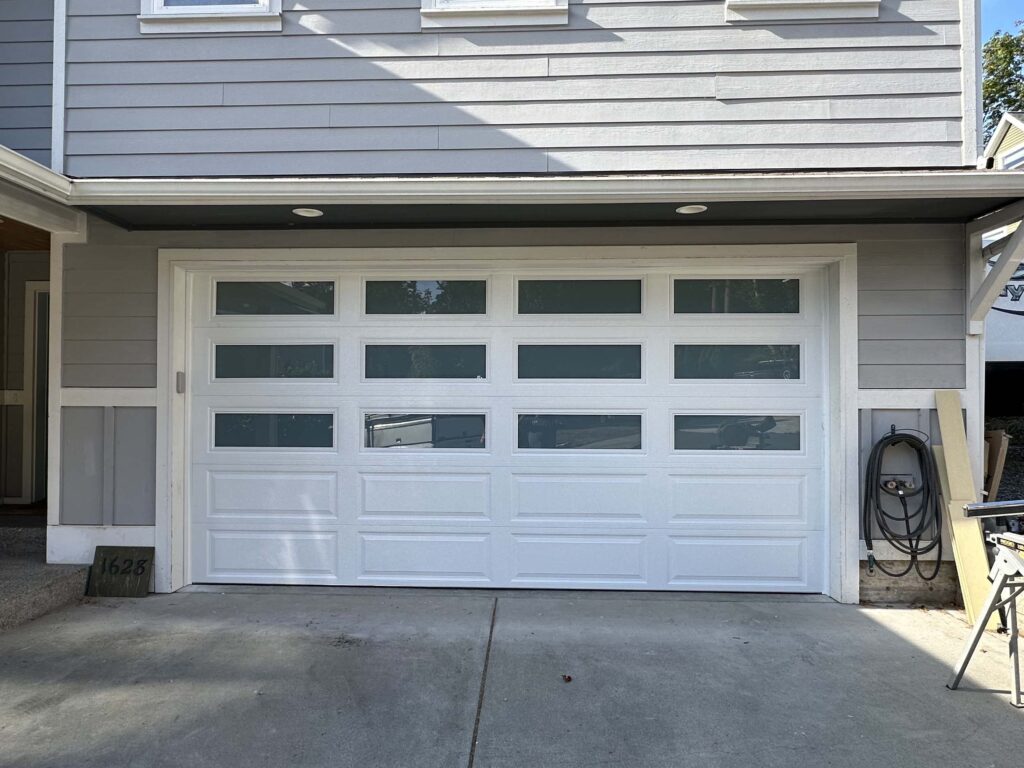
Driveway width changes how easy a garage is to use. A narrow driveway can make even a normal door feel tight because the car has less room to line up. A wider driveway can make the same opening feel much easier. This is why door size should not be chosen by wall width alone.
The look of the house matters here too. A garage door should feel in scale with the driveway and front of the home. If the driveway is narrow and the door is very wide, the front can look off. If the driveway is wide but the opening feels small, daily entry may be less comfortable. Good proportion helps both access and curb appeal.
The Hidden Impact on Daily Convenience
Small mismatches creating daily friction.
Most bad matches do not cause instant failure. They cause little annoyances. Those annoyances build up because the garage is used again and again. A person may not notice the problem during installation day, but they will notice it after parking there hundreds of times.
Some common signs of a mismatch are simple:
- the car has to stop too far back
- the turn into the garage feels too sharp
- water stays near the threshold
- the opening feels tight even when the size seems right
These are small problems, but they touch daily life. A garage should feel easy to use, not like a task that needs extra care every time.
Garage Door Timing vs Vehicle Movement
Coordination between entry flow and door speed.
The speed and timing of the garage door matter more when the driveway is short or awkward. If a driver has to wait near the street, on a slope, or in a tight space while the door opens, the whole sequence feels clumsy. A good setup lets the driver move in a smooth, natural way.
This is one of those things people notice after the job is done. The opener may work fine, but the timing may still feel wrong for the property. The driveway shape, stopping space, and approach path all affect how that timing feels. A door should match the way the car moves, not just the opening size.
Aesthetic Alignment With Property Layout
Visual balance between driveway and facade.
The garage door is one of the biggest things you see from the street. The driveway is one of the strongest lines leading to it. When those two parts look like they belong together, the whole home feels more settled and balanced. When they do not, something can feel off even if the colors and materials are nice.
This is not just about style. It is also about shape and placement. A straight driveway gives one look. A curved or angled drive gives another. The door should fit the rhythm of the property. Good visual balance between the driveway and the front of the house can make the whole entry feel cleaner and easier on the eyes.
Long-Term Wear From Poor Matching
Misalignment leading to uneven stress over time.
When a garage door and driveway do not match well, wear often shows up slowly. Water may hit the bottom edge again and again. A car may enter off-center every day. The seal may press harder on one side. These little things add stress over time.
That is where door alignment becomes important. If the setup is always compensating for a poor match, parts may wear unevenly. Rollers, hinges, seals, and opener parts can all feel that strain. The issue may seem like a door problem, but the real cause may be the space around the door.
Designing as One System, Not Two
Treating driveway and garage door as a unified setup.
The best results come from treating the driveway and garage door as one system. The driveway affects the car path, water flow, and usable space. The door affects safety, sealing, timing, and daily access. They shape each other. Looking at only one part can lead to a choice that seems fine at first but feels wrong later.
For many Woodinville homes, that bigger view matters. The driveway slope, the width of the approach, the turning angle, and the inside garage layout all play a role. A garage door should fit the home, but it should also fit the ground, the weather, and the way people really use the space every day.
Frequently Asked Questions
Yes. A steep driveway slope can change stopping distance, opening comfort, and how much door clearance feels safe.
A narrow driveway gives the car less room to line up. That can make the opening feel tighter and reduce easy garage access.
Yes. Poor matching can lead to extra moisture, uneven use, and more stress on parts like seals, rollers, and tracks.
The opening size matters, but so do the driveway shape, water flow, vehicle size, and installation planning around the full site.
A good garage door fit means the door works well with the home, the driveway, and the way the garage is used every day.


